 Bollywood
Ramayana Part 1 Goes To China, But Can It Create Dangal-like Storm In a Changed Scenario?
BY SUNIT JANGIR
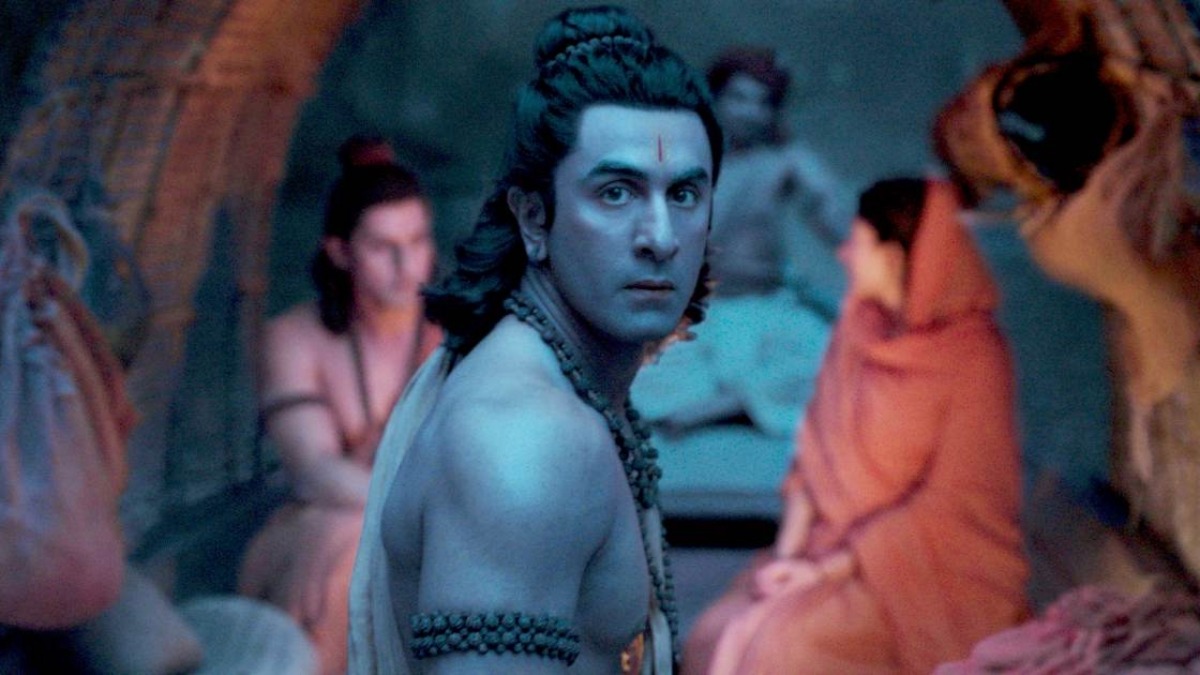
Mumbai, August 13 - Director Nitesh Tiwari's Ramayana Part 1 is expanding its theatrical footprint to China, marking another major step in the makers' ambitious global release strategy. The Ranbir Kapoor, Sai Pallavi and Yash starrer is reportedly confirmed for a November release in the Chinese market, where it will be presented under the title Ramayana: The Legend of the Prince. The China release could prove to be particularly significant for the film, given how massive it can be for an Indian title. (adsbygoogle = window.adsbygoogle || []).push({}) China is obviously not a regular market for Indian cinema. Only a handful of Indian films have managed to make a significant impact there, with Dangal being the biggest example. The Aamir Khan starrer turned into an unprecedented phenomenon, earning more than $200 million in China and demonstrating just how massive the market can become when an Indian film genuinely connects with Chinese audiences. The challenge for Ramayana is that the Chinese theatrical landscape has changed considerably since Dangal. Domestic productions now dominate the market, with Chinese films accounting for more than 80% of the country's total box office in 2025. The trend has continued into 2026, with domestic titles commanding the majority of the market share, making it increasingly difficult for foreign films to break through. (adsbygoogle = window.adsbygoogle || []).push({}) But this is where content becomes the biggest factor. China's dominance of domestic cinema doesn't mean foreign films cannot succeed; it simply means that a film has to give audiences a strong reason to choose it. Recent exceptions such as Zootopia 2 and Spider-Man: Brand New Day have shown that a foreign production can still become a massive hit when it strikes the right chord with Chinese audiences. For Ramayana, the opportunity is therefore enormous, but so is the uncertainty. The film has the scale, epicness and universal themes of good versus evil, family, sacrifice and duty that could potentially travel beyond India. If those elements resonate with Chinese audiences, the ceiling could be extremely high. After all, Dangal proved that an Indian film can overcome the limitations of the market and create genuine hysteria in China when the content clicks. (adsbygoogle = window.adsbygoogle || []).push({}) A Dangal-like phenomenon is obviously a massive ask, especially in today's more domestically dominated Chinese market. But the beauty of the China opportunity is that Ramayana doesn't necessarily need to perform like a conventional foreign release. If the film gets the Chinese audience talking and generates strong word of mouth, the market could transform from being just another overseas territory into one of the biggest contributors to its worldwide box office. In China, it will ultimately come down to one thing — whether Ramayana clicks. If it does, the sky could be the limit.