Related News & Articles

TYPES OF SKIN Health
12.2K views

TYPES OF SKIN

BY SACNILK

Clearly,not all skin is created equal.but besides ethnicity and age ,skin is characterized by its skin type.## Your skin type is usually determined by genetics, but there are daily habits and environmental factors that can worsen a skin condition. Each skin type has a specific set of characteristics and symptoms, and requires special attention. Keep reading to find out about your personal skin type and how to best care for it.## The five basic skin type are-## Normal, Oily, Dry, Combination, sesitive## 1)Normal skin-it is well balanced,not too dry or oily,not too sensitive.very few imperfaction,small pores,an even skin tone,soft texture.## 2)Oily skin-over secration of sebum so excess oil on the face ,less visible wrinkles,visible and enlarged pores a persistently shiny , greasy appearance.## 3)Dry skin-It is common for dry skin to be an issue for women entering menopause.slow secraction of sebum,skin feels irritable and tight,fine lines,visible small pores,often looks flaky.## 4)combination skin-Typically, there's a mix of oily and dry areas on different parts of face, with the t-zone (forehead, nose, and chin) being slightly to very oily.shiny skin,pores that look larger than normal because they are more open.## 5)Sensitive skin-it can shows as-redness,itching,burning,dryness,eczema,sunburns.## FACTORS THAT AFFECT THE SKIN-## Stress, Environment(dust,pollutants), heridity, Diet, Hormone, Sun exposure, Skin product, Age, Lack of sleep etc.
THE SKIN: BASIC KNOWLEDGE OF HUMAN SKIN Health
13.5K views

THE SKIN: BASIC KNOWLEDGE OF HUMAN SKIN

BY SACNILK

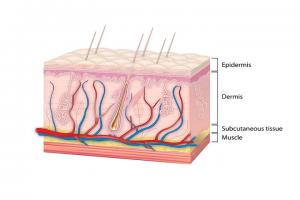
The covering, or integument, of the body’s surface, that both provides protection and receives sensory stimuli from the external environment. ## The skin and its appendages (nails, hair and certain glands) form the largest organ in the human body.## total area of about 20 square feet.## The skin comprises 15% of the total adult body weight.## It serves as a protective shield against heat, light, injury, and infection. The skin also:## Regulates body temperature ## Stores water and fat ## Is a sensory organ ## Prevents water loss ## Prevents entry of bacteria ## Acts as a barrier between the organism and its environment## Helps to make vitamin D when exposed to the sun ## its thickness ranges from

Mental stress may trigger a second heart attack Lifestyle
11.9K views

Mental stress may trigger a second heart attack

BY SACNILK

New York, March 21 (IANS) For those who have survived a heart attack, mental stress -- and not physical stress -- may be a stronger predictor of a repeat heart attack or even dying from heart disease, warn researchers. ## The team at Emory University investigated whether myocardial ischemia -- when blood flow to the heart is reduced such that the heart muscle doesn't get enough oxygen -- induced by mental stress was associated with poor outcomes among heart attack survivors, and how this type of stress testing compares with conventional stress brought on by exercise. ## Among more than 300 young and middle-aged individuals enrolled in the study, those who endured myocardial ischemia with mental stress had a two-fold higher likelihood of having another heart attack or dying from heart disease compared with those who did not have cardiac ischemia induced by mental stress. ## "In our study, myocardial ischemia provoked by mental stress was a better risk indicator than what we were able to see with conventional stress testing," said Viola Vaccarino from Emory University's Rollins School of Public Health in Atlanta and the study's principal investigator. ## This is the only study of its kind in this relatively young adult population of heart attack survivors. ## "These data point to the important effect that psychological stress can have on the heart and on the prognosis of patients with heart disease," she added. ## The investigators studied 306 adults aged 61 years or younger (50 years on average and ranging from 22-61 years), who had been in the hospital for a heart attack in the previous eight months. ## Traditional stress tests, in which someone exercises on a treadmill or takes a medicine that makes the heart beat faster and harder as if the person was actually exercising, have long been used to check blood flow to the heart and gauge the risk of heart problems. ## Taking into account patients' psychological stress may help clinicians better evaluate the risk of recurrent heart attacks or death seen in some patients surviving a heart attack. ## Overall, mental stress induced myocardial ischemia occurred in 16 per cent of patients and conventional ischemia in 35 per cent, suggesting that traditional ischemia due to exercise or drug-induced stress is more common. ## Over a three-year follow-up, 10 per cent of patients (28 individuals) had another heart attack and two died of heart-related problems. ## The incidence of heart attack or cardiovascular-related death was more than doubled in patients with mental stress induced ischemia compared with those without mental stress ischemia, occurring in 10 (20 per cent) and 20 (8 per cent) patients, respectively. ## "Patients who developed ischemia with mental stress had more than two times the risk of having a repeat heart attack or dying from heart disease compared with those who did not develop ischemia during mental stress," Vaccarino elaborated. ## What this means is that the propensity to have a reduction in blood flow to the heart during acute psychological stress poses substantial future risk to these patients, ## Such reduction in blood flow, when it occurs in real life, could trigger a heart attack or serious heart rhythm problems, she said. ## Another interesting finding, according to Vaccarino, is that ischemia with mental stress and with conventional stress were not strongly related to each other, suggesting that they occur through different pathways. ## "This points to the fact that stress provoked by emotions has a distinct mechanism of risk for heart disease and its complications compared with physical stress," she noted. ## For more and the latest news about Lifestyle, stay tuned to us.

Too much or too little sleep not good for heart: Study Lifestyle
13.5K views

Too much or too little sleep not good for heart: Study

BY SACNILK

New York, March 19 (IANS) Getting too much or too little sleep, may be bad for your heart, say researchers, adding that people who get seven or eight hours of sleep per night have less stiffness in their arteries, which is associated with a lower risk of developing heart disease or suffering a stroke. ## "The message, based on our findings, is 'sleep well, but not too well.' Getting too little sleep appears bad for your health but too much seems to be harmful as well," said study lead author Evangelos Oikonomou from Yale University in the US. ## For this analysis, researchers assessed sleep patterns in 1,752 people living in the Corinthia region of Greece using a standard questionnaire. ## They ranged in age from 40 to 98 years, with a mean age of 64 years old ## Participants were then divided into one of four groups based on self-reported sleep duration: normal (seven to eight hours a night), short sleep duration (six to seven hours a night), very short sleep duration (less than six hours a night) or long sleep duration (greater than eight hours a night). ## At the time of the study, each participant also underwent ultrasound imaging to measure the thickness of the inner part of the arterial wall. ## Thickening of the arterial walls reflects plaque buildup and is associated with an increased risk of stroke and other cardiovascular events. ## The researchers found that even after accounting for other known risk factors for heart disease or stroke, people who slept less than six hours or more than eight hours a night had significantly greater odds of having plaque buildup in the walls of their carotid arteries--a 54 per cent and 39 per cent increase, respectively--compared with those who got seven or eight hours of shut eye. ## The study adds to mounting evidence that sleep patterns, similar to diet and exercise, may play a defining role in someone's cardiovascular risk. ## "We don't fully understand the relationship between sleep and cardiovascular health. It could be that sympathetic nervous system withdrawal or a slowing [of this system] that occurs during sleep may act as a recovery phase for [usual] vascular and cardiac strain," Oikonomou said. ## "Moreover, short sleep duration may be associated with increased cardiovascular risk factors--for example, unhealthy diet, stress, being overweight or greater alcohol consumption--whereas longer sleep duration may be associated with a less active lifestyle pattern and lower physical activity," Oikonomou added. ## The research is scheduled to be presented at the American College of Cardiology's Annual Scientific Session Together with World Congress of Cardiology on March 28-30 in the US. ## For more and the latest news about Lifestyle, stay tuned to us.

Have family 'me-time' in depressing times but with precaution Lifestyle
12.4K views

Have family 'me-time' in depressing times but with precaution

BY SACNILK

New Delhi, March 19 (IANS) Amid the social distancing, family members can still find some 'me-time' together but with precautions and being vigilant, health experts said on Thursday. ## Although various state governments have banned large gatherings -- Delhi Government has made an order to avoid gathering of over 25 people eat at one place - families can plan indoor parties with precaution. ## "Close family members can enjoy their evenings and dinners but with precautions and being vigilant. People should be aware about the do's and don'ts and if a family consist of elderly person (above the age of 60 years) or those who have chronic, stable illnesses, like diabetes, hypertension, asthma, should definitely avoid even the smallest of gathering," Dr RS Mishra, associate director and consultant, internal medicine, Max Super Specialty Hospital, Saket, told IANS. "The so-called social animals have to act like responsible citizens and need to understand the situation. The only definitive and well proven way of preventing the n-COVID 2019 is social distancing," said Mishra. ## Small family gatherings are still allowed in India also people have to be vigilant that whoever is attending the gathering should not have any illnesses. ## "Individualism needs to be replaced by altruism and social responsibility. We are in a time where our collective social responsible efforts can help us collectively as a society beat the corona epidemic in our country," said Dr Samir Parikh, Director, Mental Health & Behavioural Sciences, Fortis Healthcare. ## "This is not about individuals, their social needs, their likes and needs- it is about ensuring that we contribute to the government efforts, comply with the medical advisories- we maintain social distancing, ensure the right hygiene and sanitizing practices. ## "Stay connected, talk to family friends, use social media, take time for your own self- but maintain social distancing," Parikh elaborated. ## With one more death reported from Punjab on Thursday, India's death toll due to novel coronavirus reached four. The earlier three deaths were reported from Delhi, Karnataka and Maharashtra. ## In India, there are 167 active cases of Covid-19 cases at present, while 15 people have recovered and have been discharged from the hospital. ## "The precautions include hand hygiene, maintaining distance between two people, and avoid anybody who has a recent travel history to other countries or who is not well to be a part of the gathering," said Mishra. ## For more and the latest news about Lifestyle, stay tuned to us.

Negative thoughts, bad sleep habits can depress teens: Study Lifestyle
12.2K views

Negative thoughts, bad sleep habits can depress teens: Study

BY SACNILK

Sydney, March 19 (IANS) Nagging negative thoughts - and striving for perfection - keep teenagers awake at night, raising their chance of becoming depressed and anxious, say researchers. ## An online study of almost 400 adolescents aged 14 to 20 years confirmed the link, leading researchers at Flinders University in Australia, to recommend alternative treatments for repetitive negative thinking and perfectionism in dealing with delayed sleep and mental health problems among teenagers. ## The study, published in the journal Sleep Health,confirmed a link between repeated negative thinking and delayed sleep. ## "Repetitive negative thinking is habit forming and it can significantly contribute to making sleep difficult and causing depressed mood in teenagers, who already like to stay up late at night," said study researcher Michael Gradisar, Professor at Flinders University in Australia. ## "This study supports the need to recognise repetitive negative thinking in preventing and treating sleep problems, along with individual differences in perfectionism and mood," Gradisar added. ## According to the researchers, the role of repetitive negative thinking and perfectionism in explaining the link between sleep onset problems and depressed mood has important clinical implications through providing possible treatment targets. ## International studies indicates depression affects between three per cent and eigh per cent of adolescents. It is often recurring and may continue to develop into more severe depressive disorders during adulthood. ## In teenagers, depression can cause poor concentration, a loss of interest in schoolwork, difficulties in peer relationships, and even suicide, the researchers said. ## The researchers stresses that sleep plays an important part in preventing and treating depression in teenagers. ## Parents and carers can implement better sleep health by encouraging regular bedtime routines during the school week and weekends, and encouraging mobile phones to be turned off earlier in the evening, according to the study. ## According to the researchers, busy lifestyles, stress and screen time makes self-help and accessible resources for better sleep increasingly important. ## For more and the latest news about Lifestyle, stay tuned to us.

COVID-19 (Coronavirus) cases in India | State Wise | Other Details Lifestyle
55.2K views

COVID-19 (Coronavirus) cases in India | State Wise | Other Details

BY SACNILK

The coronavirus epidemic entered in India on 30th January 2020 in a student who had returned from Wuhan University to Kerala. As of 06th September 2020, the Ministry of Health and Family Welfare has confirmed a total of 4113811 cases and 70626 deaths in the country. ## The outbreak has been declared an epidemic in All India where provisions of the Epidemic Diseases Act, 1897 have been invoked, and educational institutions and many commercial establishments have been shut down. India has also suspended all tourist visas, as a majority of the confirmed cases were linked to other countries. ## Information: ## The Helpline Number for corona-virus: +91-11-23978046 ## The Helpline Numbers of States & Union Territories for corona-virus ## The Helpline Email ID for corona-virus : ncov2019[at]gmail[dot]com ## Total number of passengers screened at the airport: 15,24,266 ## Total number of confirmed COVID 2019 cases across India *: 8,867,857 ## Total number of Active COVID 2019 cases across India *: 4,57,644 ## (including foreign nationals, as on 16.11.2020 at 08:00 PM) ## State/UT wise list of COVID confirmed cases in India SN Name of State /UT Active Cases Cured/Discharged Death 1. Andaman and Nicobar Islands 338 2904 50 2. Andhra Pradesh 100880 382104 4347 3. Arunachal Pradesh 1525 3381 4347 4. Assam 28507 95063 352 5. Bihar 16594 128503 735 6. Chandigarh 2143 3290 69 7. Chattisgarh 22320 20487 356 8. Dadar Nagar Haveli 301 2234 2 9. Delhi 19870 163785 4538 10. Goa 4945 15281 229 11. Gujrat 16334 83419 3091 12. Haryana 14911 58580 781 13. Himachal Pradesh 1978 4986 54 14. Jammu and Kashmir 9547 31924 770 15. Jharkhand 15005 34330 462 16. Karnataka 99636 283298 6298 17. Kerala 21867 62555 337 18. Ladakh 834 2127 35 19. Madhya Pradesh 15688 54649 1543 20. Maharashtra 221012 636574 26276 21. Manipur 1872 4975 36 22. Meghalaya 1374 1527 15 23. Mizoram 344 718 0 24. Nagaland 726 3392 10 25. Odisha 25909 93774 538 26. Pondicherry 5161 11107 298 27. Punjab 15870 43849 1808 28. Rajasthan 14996 73245 1122 29. Sikkim 549 1347 5 30. Tamil Nadu 51583 398366 7748 31. Telengana 32553 107530 886 32. Tripura 6220 8745 144 33. Uttarakhand 7575 16056 330 34. Uttar Pradesh 59963 195959 3843 35. West Bengal 23390 150801 3510 Total 862320 3180865 70626 ## Coronavirus tips - Help stop coronavirus## 1 HANDS: Wash them often ## 2 ELBOW: Cough into it ## 3 FACE: don't touch it ## 4 SPACE: Keep safe distance ## 5 FEEL: sick? Stay home ## Coronavirus Symptoms - People may experience: ## - Cough ## - Fever ## - Tiredness ## - Difficulty breathing (severe cases) ## For more and the latest news about Lifestyle, stay tuned to us.

COVID-19 (Coronavirus) Cases | Country Wise | Other Details Lifestyle
39.1K views

COVID-19 (Coronavirus) Cases | Country Wise | Other Details

BY SACNILK

The coronavirus Epidemic is all over the world and it's getting bigger day by day. Safety Precautions are being taken by every country. Coronavirus pandemic is an ongoing pandemic of coronavirus disease caused by severe acute respiratory syndrome coronavirus 2 (SARS-CoV-2). ## The outbreak was first identified in Wuhan, Hubei, China, in December 2019 and recognised as a pandemic by the World Health Organization (WHO) on 11 March 2020, as the first known pandemic that can be controlled. ## Total Cases: 55,350,000 ## Total Death: 1,333,000 ## Total Recovered: 38,494,000 ## Total Countries and Territories with Cases: 217 ## List of Top 10 Coronavirus cases by Countries and Territories ## 1. United States of America: 11,538,000 cases ## 2. India: 8,875,000 cases ## 3. Brazil: 5,877,000 cases ## 4. France: 1,992,000 cases ## 5. Russia: 1,949,000 cases ## 6. Spain: 1,522,000 cases ## 6. Peru: 829,000 cases ## 7. UK: 1,391,000 cases ## 8. Argentina: 1,319,000 cases ## 9. Italy: 1,206,000 cases ## 10. Colombia: 1,206,000 cases ## For more and the latest news about Lifestayle, stay tuned to us.

Is your loved one above age 60? Time for some extra care Lifestyle
13.8K views

Is your loved one above age 60? Time for some extra care

BY SACNILK

New Delhi, March 15 (IANS) The world's geriatric population (people aged 60 and older) will cross two billion by 2050 from nearly one billion in 2020 and in the case of a pandemic like novel coronavirus, these loved ones are at high risk of death owing to a multitude of factors like underlying conditions and low immunity. ## According to the World Health Organisation (WHO), 125 million people are aged 80 years or older today and by 2050, there will be almost this many (120 million) living in China alone -- and 434 million people in this age group worldwide. ## A recent report published in the medical journal JAMA which examined more than 72,000 Chinese coronavirus patients found that the overall fatality rate was 2.3 per cent. But in adults over 80, the fatality rate rose to 15 per cent. ## By 2050, 80 per cent of all older people will live in low- and middle-income countries where health facilities are already dismal. ## Public health experts at the Centers for Disease Control and Prevention (CDC) are urging older adults, especially those who already have health challenges, to "stay at home as much as possible" to avoid getting COVID-19. ## Early research shows that older people are twice as likely to have serious complications if they get COVID-19. ## People with chronic conditions such as heart disease, lung disease and diabetes, are more at risk for severe cases of COVID-19. ## "If you are at higher risk for serious illness from COVID-19 because of your age or because you have a serious long-term health problem, it is extra-important for you to take actions to reduce your risk of getting sick with the disease," said public health experts at the CDC. ## Older adults living in communities where the virus has spread should take extra precautions like avoiding public places. ## According to Ravi Shekhar Jha, Senior Consultant and Head of the Department, Pulmonology, Fortis Escorts Hospital Faridabad, "Older adults' lungs take more time in clearing up and there is not clear secretion from the lung. All these factors make them extremely vulnerable to the coronavirus." ## Another analysis of all cases diagnosed in China found that 86.6 per cent were aged 30-79 years. ## Data from Korea Centers for Disease Control and Prevention (KCDC) showed that the mortality rate of COVID-19 patients aged 80 or older was 5.4 per cent, compared with an average mortality rate of 0.6 per cent. ## According to Rajesh Chawla, Senior Consultant, Respiratory and Critical Care, Indraprastha Apollo Hospital in New Delhi, elderly people above 50 years of age suffering from diabetes and heart disease need to take extra precautions as coronavirus can lead to severe conditions in them. ## The CDC advises against non-essential plane travel for older adults. ## "The data continues to say that the people who are at higher risk for severe disease and death are those who are older and with underlying health conditions," according to Nancy Messonnier, MD, director of the National Center for Immunization and Respiratory Diseases at the CDC. ## Depending on how severe the outbreak is, public health officials may recommend community actions to reduce people's risk of being exposed to COVID-19. These actions can slow the spread and reduce the impact of disease. ## If you are at higher risk for serious illness from COVID-19 because of your age or because you have a serious long-term health problem, it is extra important for you to take actions to reduce your risk of getting sick with the disease. ## If you have someone senior at home, it is time to take some extra measures for your loved ones till the COVID-19 scare goes away. ## For more and the latest news about Lifestyle, stay tuned to us.

Heavy stress may shorten our life expectancy Lifestyle
12.6K views

Heavy stress may shorten our life expectancy

BY SACNILK

London, March 15 (IANS) If you are taking too much stress, read this carefully. Researchers have found that life expectancy is influenced not only by the traditional lifestyle-related risk factors but also by factors related to a person's quality of life, such as heavy stress. ## The study, published in the journal BMJ Open, was based on data collected from men and women aged 25 to 74 in the Finnish National FINRISK Study 1987-2007 through questionnaires and measurements. The rate of mortality was followed until the end of 2014. ## For the findings, the researchers calculated the effects of multiple risk factors, including lifestyle-related ones, to the life expectancy of men and women. ## "Before, life expectancy has usually been assessed based on only a few sociodemographic background factor groups, such as age, sex, and education. In this study, we wanted to assess the impact of several different factors to a person's life expectancy, so we could compare their effects," said study researcher Tommi Harkanen from National Institute for Health and Welfare in Finland. ## The researchers calculated the life expectancies by changing the values of each risk factor at a time and keeping the values of other factors constant. ## Only the BMI, blood pressure, and cholesterol levels were allowed to be changed when the values related to lifestyle factors were changed. ## They found that the biggest causes for shortened life expectancy for 30-year-old men are smoking and diabetes. Smoking takes 6.6 years and diabetes 6.5 years out of their life expectancy. ## Being under heavy stress shortens their life expectancy by 2.8 years, the study said. ## The research also revealed that a lack of exercise strongly reduced the life expectancy of 30-year-old men -- by 2.4 years. ## On the other hand, things such as the consumption of plenty of fruits and vegetables could increase life expectancy: eating fruit by 1.4 years and eating vegetables by 0.9 years. ## The same factors impacted the life expectancy of both men and women. ## For 30-year-old women, e.g. smoking shortened the life expectancy by 5.5 years, diabetes by 5.3 years, and heavy stress by 2.3 years. The effects to the life expectancy of older people were similar but smaller than in younger age groups. ## Differences between the life expectancies of men and women largely due to risk factors that can be changed, according to the researchers. ## "What was interesting about the study was how small the difference in the life expectancy of 30-year men and women was based on the same risk factor values -- only 1.6 years," said study researcher Seppo Koskinen. ## The lifestyle choices that increase mortality, such as smoking, heavy alcohol use, unhealthy diet, and lack of exercise, are most common in the population groups whose social position is the weakest, the study said. ## For more and the latest news about Lifestyle, stay tuned to us.

Infant cereal consumption linked to improved nutrient intake Lifestyle
12K views

Infant cereal consumption linked to improved nutrient intake

BY SACNILK

New York, March 14 (IANS) Dear parents, please take note. Infants and toddlers who consumed baby cereal, such as rice cereal, had higher intakes of key nutrients of concern, such as calcium, magnesium, iron, zinc and vitamin E, say researchers. ## According to the study, baby cereal consumers were also found to be less likely to have inadequate intakes of iron, calcium and vitamin E -- important nutrients for an infant's development. ## The findings, published in the journal AIMS Public Health, illustrated the importance of rice baby cereal in the diets of infants and toddlers in achieving proper nutrition. ## "The results of this study build a strong case for the benefits of feeding your infant baby cereal," said the study's researcher Theresa Nicklas from Baylor College of Medicine in the US. ## "As the US Dietary Guidelines Advisory Committee looks to evaluate food patterns and nutrient status of infants aged 0 to 23 months, it is important to consider the role of baby cereal in the diets of infants and toddlers," Nicklas added. ## For the findings, the research team examined National Health and Nutrition Examination Survey (NHANES) data, a national survey of food intake, from 2001 to 2014 to assess food intake in infants and toddlers from birth to 23 months. ## The study evaluated four age ranges - ages 0 to 3 months, 4 to 6 months, 7 to 11 months and 12 to 23 months - and the role of cereal consumption such as rice cereal. ## Researchers investigated whether baby cereal consumption (e.g. rice cereal) was related to different eating patterns, nutrient status and intakes of added sugars, saturated fat and sodium, when compared to non-cereal consumers. ## When introduced as early as four months, baby cereal, including rice cereal, is associated with improved nutrient status, the study said. ## From four to six months of age, babies who ate cereal took in more calories, carbohydrates, whole grains and key nutrients, like vitamin B6, calcium, iron and magnesium. ## As infants get older, the results remained similar. From seven to 11 months, cereal consumers were found to have higher intakes of carbohydrates, vitamin E, calcium, iron, zinc and magnesium. ## According to the researchers, beyond the first year of life, baby cereal consumption continued to be associated with greater iron, zinc and vitamin E intake. ## Overall, the study demonstrates there is a strong public health benefit to feeding infants ages 4 to 11 months infant baby cereal. ## Data indicates that feeding cereal, such as rice cereal, as one of babies' first foods has a positive impact on nutrient status. ## Babies who consumed rice and other infant cereals, during the first two years of life, had more complete and balanced nutrition than those who were not fed baby cereal. ## While more research is needed, this study demonstrates a link between feeding infants and toddlers baby cereal and an improved overall nutrition profile. ## For more and the latest news about Lifestyle, stay tuned to us.

Full-fat dairy products not linked to weight gain, high BP in kids Lifestyle
11.2K views

Full-fat dairy products not linked to weight gain, high BP in kids

BY SACNILK

Sydney, March 3 (IANS) There is no evidence that consuming full-fat dairy products increases children's risk of obesity or heart disease, says a new study that raises questions about the current dietary advice for children. ## "Dietary guidelines in Australia and other countries recommend children primarily consume reduced-fat dairy products to maintain a healthy weight and good cardiovascular health," said the study's lead author Therese O'Sullivan, Associate Professor at Edith Cowan University in Joondalup, Australia. ## "We found studies were consistent in reporting that whole-fat dairy products were not associated with increased levels of weight gain or obesity," she said. ## Published in the journal Advances in Nutrition, the research reviewed 29 studies from around the world that examined consumption of full-fat dairy products in children. ## The researchers found there was no clear link between the consumption of whole-fat dairy products and weight gain, high cholesterol or high blood pressure in children. ## "Reduced-fat dairy is generally recommended for both adults and children over the age of two years due to its lower energy and saturated fat content," O'Sullivan said. ## "However, studies suggest children who consumed low-fat over full-fat dairy products were actually replacing those calories from fat with other foods. ## "This suggests that low-fat dairy is not as filling as whole-fat dairy, which may lead kids to consume more of other foods. Health effects may depend on what these replacement foods are," she added. ## The research suggests that whole-fat dairy products may play an important role in a balanced diet for growing children. ## "Dairy is a good dietary source of nutrients for healthy development, including protein, calcium, potassium, phosphorus and several vitamins," she said. ## "Even though the fats found in whole-fat dairy are mostly saturated fats, they don't appear to be associated with the same detrimental health effects observed with foods like fatty meats," she added. ## For more and the latest news about Lifestyle, stay tuned to us.