D

Dr. Rachana Jangir

9 Articles

Resident Doctor. Loves to discuss and write about health, Ayurveda, Painting. Always ready to learn new things.

Articles Written By Dr. Rachana Jangir

Indigestion introduction,cauese,symptoms and treatment
1424 days ago
Ayurveda

Indigestion introduction,cauese,symptoms and treatment

Indigestion —The word indigestion is used to describe the discomfort feels in their stomach after food consumption. Indigestion is also called as dyspepsia.## In ayurveda texts ajirna can be closly compared with indigestion and ajirna also means indigestion. It is said to be the root for the origin of many systemic and metabolic disorders. Although it is common,it may often be relieved with lifestyle changes and medications.## Causes indigestion is usually caused by-  Excessive consumption of heavy, oily, dense and hot foods.##  Spicy food and eating fast.##  Obesity##  Overconsumption of caffeine, alcohol and smoking##  Over eating and high fat foods##  Emotional eating##  Anxiety and stress##  Side effects of certain antibiotics and/or medications## Symptoms 1) bloating## 2) Nausea and vomiting## 3) Early fullness during a meal## 4) Uncomfortable fullness after a meal.## 5) Discomfort in the upper abdomen(feeling heavy and stomach is bloated.)## 6) Burning in the upper abdomen.## 7) An acidic taste in mouth## 8) Belching and gas## Mild indigestion is usually nothing to worry about.but if discomfort persists for more than two weeks and pain is severe or## • Unintentional weight loss or loss of appetite## • frequent vomiting or vomiting with blood## • Black, tarry stools## • Trouble swallowing that gets progressively worse## • Fatigue or weakness, which may indicate anemia## Seek immediate medical attention if you have- • Shortness of breath, sweating, or chest pain radiating to the jaw, neck or arm## • Chest pain on exertion or with stress## some of the causes that imbalance the Agni leading to indigestion so maintain a healthy digestive system, it is necessary to avoid such things likes- • There are chilly, spicy food ## • Having irregular and bad sleeping patterns and eating habits.## • Consuming medication such as antibiotics, pain relievers, steroids, and oral contraceptives.## • suffer from anxiety, stress, family tension, examination tension, depression, and are emotionally upset. ## Home Remedies Of Indigestion- Given below are some home remedies to get rid of indigestion To normalize the imbalance of Agni in the body and digest ama, fasting entirely for a whole day is beneficial.## • improve agni by consuming boiled vegetables, liquid foods, or fruit juices for at least 2-3 days as it relieves indigestion.## • Avoid the factors which have been written above that cause indigestion.## • mix a half teaspoon of ginger juice with half a teaspoon of lemon juice, add a pinch of salt to a cup of water and drink it thrice a day.## • To increase Agni and digest ama,drink half a glass of warm water once every two hours.## Lifestyle changes- Mild indigestion can often be helped with lifestyle changes.## • Eating smaller, more-frequent meals.## • Maintaining a healthy weight.## • Exercising regularly.## • Avoiding triggers and Fatty and spicy foods, processed foods, carbonated beverages.## • Avoid late night eating.## Management of indigestion-## Avoidance of the causative factor is the preliminary step in any disease management. Improper life style, mental disturbance and related to other diseases may contribute in the development of Ajirna.## 1. Nidana parivarjana ## 2. Sarvanga svedana ## 3. Dipana (Accelaration in digestive fire)## 4. Pachana (digestion)## 5. Shodhana chikitsa (bio-cleansing therapies)## 6. Virechana (therapeutic purgation)## Single drug use- ajwain( Trachyspermum ammi)## Nagarmotha(Cyperus rotundus)## Amla(emblica officinale)## Saunth(dry ginger)## Saunf(foeniculum vulgare)## Pudina(Mentha arvensis)## Pippali(Piper longum)## Harad(Terminalia chebula)## Kutki(Picrorhiza kurroa) Formulations- Hingwastaka churna,## Lavanaabhaskara churna,## Ajamodarka,## Sankha vati,## Citrakadi vati,## Lashunadi vati,## Agnitundi vati,## Sanjivani vati,## Jirarakadyarisha.


HYPERACIDITY(AMLA PITTA)-CAUSES,SYMPTOMS AND MANAGMENT ACOORDING TO AYURVEDA & MODERN SCIENCE
1435 days ago
Ayurveda

HYPERACIDITY(AMLA PITTA)-CAUSES,SYMPTOMS AND MANAGMENT ACOORDING TO AYURVEDA & MODERN SCIENCE

Our stomach produces hydrochloric acid to digest the food that we eat. Whenever we eat, cells within the lining of the stomach pump acid to liquefy all the elements of that sumptuous dinner.## Problems occur when these cells produce large amounts of acid, more than stomach needs. When this happens, you will suffer from stomach acidity. You would know if you were suffering from stomach acidity if you feel a burning sensation just above the stomach, or right below (the hollow part) your breastbone. This is the most classic sign of acidity.## The first thing to rule out would be your diet – if it consists of refined, acidic or oily foods then they are most likely the reason behind your acid indigestion.## According to Ayurveda, acid reflux is caused when the heat energy within our cells, known as Pitta, becomes imbalanced. Pitta is located in the stomach and is symbolized as a sharp, intense, hot and acidic energy.## When an individual consumes pitta aggravating foods like vinegar, citrus juices, tomatoes, chilies, onions, garlic, alcohol, and fried foods, it leads to heartburn. Consuming caffeine and sodas also aggravates the pitta. Stress, irregular eating patterns, sleep deprivation and taking painkillers as well as antibiotics also increases production of heat toxins which leads to heartburn. Let’s find out more about acid reflux treatment in Ayurveda.## Acidity and Ayurveda## In Ayurveda, acidity is referred to as Amla Pitta. By its very name, we can see that this disorder is caused by an imbalance of Pitta Dosha. The humor is governed by the elements of Fire and Water; these, in turn, govern the digestive fire and stomach enzymes. This is also the reason why people of Pitta constitution tend to suffer from hyperacidity, peptic ulcers, and heartburn. Things that aggravate the Pitta dosha like stress, anger, hot and spicy foods, the extremely hot environment can also bring on a bout of acidity.## While Pitta is usually the one blamed for acid indigestion, the Kapha dosha has its seat in the stomach and the chest. Because Kapha controls the digestive juices and generates mucus, indigestion that stems from weak metabolism and mucus congestion are common patterns in acid reflux.## You can identify a Kaphic acid reflux if you have a feeling of sluggishness, feel a bitter taste in your mouth after late-night meals, chest congestion in the morning, a heavily coated tongue and a tendency to pile on weight.## Body part(s) involved- Esophagus Stomach Intestine Usually seen in Adults above 30 years of age## Gender affected Both men and women Causes Of Acidity-## Some of the common causes of acidity include: 1. Food and dietary factors- Eating spicy foods containing excessive amounts of chillies, pepper, vinegar, and paprika Deep fried and oily foods, Excessive intake of caffeine in the form of tea, coffee, and chocolate, High intake of table salt, Diet low in dietary fiber, Overeating or eating at irregular intervals, Unhealthy habits like lying down just after eating, Eating just before strenuous physical exercise.## 2. Lifestyle factors- Frequent smoking, Excessive intake of alcohol, soda or carbonated drinks, Lack of sleep, Lack of physical activity.## 3. Ailments and medications- Excessive stress, anxiety, or depression, Stomach diseases like peptic ulcer, gastro-esophageal reflux disease and stomach cancer, Medications like painkillers, antibiotics, chemotherapy medications and antidepressants.##  Risk Factors Of Acidity- The following conditions are related to increased risk of acidity:- Medical conditions such as asthma, diabetes, celiac disease, and connective tissue disorders like - Delayed stomach emptying, Overweight/obesity, Pregnancy, Women who are nearing menopause, Women on hormone replacement therapy.## Symptoms Of Acidity-## Respiratory problems Sudden weight loss Burping and belching Vomiting Dry throat and chronic dry cough Lack of appetite Pain in ears Heartburn Chest and stomach pain Hair loss Bitter taste in the mouth Irritation in the rectal region Flatulence The pressure in the chest after eating Feeling of restlessness The occurrence of blood may be seen in the stools## Diagnose- Endoscopy Barium pH Monitoring Esophageal Manometry## Diet & Lifestyle Advice-## Avoid tea, coffee, and carbonated or alcoholic beverages. Avoid processed and fermented foods. Avoid using garlic, ginger, onions, tomatoes, and vinegar in cooking. Also avoid rich gravies, sour, salty, and spicy foods. Curd should be strictly avoided at night. Take meals in a relaxed atmosphere at regular intervals. Practice Yoga and Pranayama such as Vajrasana, Bhujangasana, Salabhasana, Bhastrika Pranayama,Shitali Pranayama and Shitkari Pranayama.## Medical management-## As the disease is of Pitta origin, all measures are undertaken to pacify pitta. Line of treatment Avoid causative factors Palliative treachakarma treatment When patient cannot be well managed with oral medications ‘Panchakarma procedures’ like Vamana (emesis) or virechana (purgation) whichever is needed should be administered. In chronic cases Asthapanavasti (medicated enema) is indicated.## Some important single drugs- Shatavari - 3 gm twice a day with milk## Yashtimadhu - 3 gm twice a day with milk## Amalaki (Indian gooseberry) - 3 gm twice a day with water## Sunthi (dry ginger) - 1- 3 gm twice a day with water## Treatment in modern science - Antacids: Aluminum Hydroxide, Magnesium Trisilicate & Calcium Carbonate## H2 receptor blockers: Famotidine & Ranitidine ## Proton pump inhibitors: Omeprazole, Pantoprazole & Rabeprazole## Prokinetic drugs: Domperidone, Metoclopramide & Levosulpiride## Coating drugs: Sucralfate & Colloidal bismuth (CBS)## Home Remedies to Prevent Acidity- Take powder of roasted cumin and coriander seeds (25 gm each) and mix with 50 gm of sugar. Take half spoon of it 3 times a day to get rid of hyperacidity.## Make a powdered mixture of equal parts of rock candy (or unrefined sugar), fennel, and green cardamom. Whenever you feel heartburn, mix 1 teaspoon of the mixture in a glass of cold milk and drink.## Drink 100-500 ml of tender coconut water twice a day for relief from hyperacidity Mix equal parts of powdered fennel, licorice root, basil leaves and coriander seeds. Have ½ teaspoon of this mixture with ½ teaspoon of powdered rock candy (or unrefined sugar) 15 minutes before lunch and dinner.

CONSTIPATION(VIBHANDA)-INTRODUCTION,CAUSES,SYMPTOMS & MANAGMENT (ACCORDING TO AYURVEDA & MODERN SCIENCE)
1436 days ago
Ayurveda

CONSTIPATION(VIBHANDA)-INTRODUCTION,CAUSES,SYMPTOMS & MANAGMENT (ACCORDING TO AYURVEDA & MODERN SCIENCE)

Introduction- Ayurveda says that constipation is vibhanda, which is marked by symptoms like fewer bowel movements, solidified hard stool, painful defecation, bloating, abdominal discomfort, and incomplete elimination. Vata dosha is responsible for excretory function while a vitalized vata is the reason for constipation.##  Constipation is an acute or chronic condition characterized by dry and hard infrequent stools that are painful or difficult to pass. ## The sedentary life-style and wrong eating habits are responsible for constipation. When one is facing difficulty to pass stools from several weeks or longer it leads to chronic constipation. Constipation can become a serious problem if not treated on the right time. Constipation can be quite beyond a simple slow or obstructed bowel movement. Constipation can be secondary or as an associated symptom of other pathologies like depression, rheumatoid arthritis, migraine, gastritis etc.## causes of Constipation -bloating is caused by a weak digestive fire or agni. In Ayurveda, this condition is called Aadhmaana, and it is a type of vata imbalance. Occasional bloating or gas is normal but when it becomes regular and persistent, it a sign and symptom of digestive imbalance.## Abdominal bloating can be painful and uncomfortable. uncomfortable. Not only your stomach appears bigger and your clothes don't fit right, but you may also feel full despite eating very little. Sometimes, your poor eating habits are to blamed for this health condition. Not chewing your food well, eating certain foods that are difficult to digest for you, eating when you are stressed or taking in more calories than required could lead to bloating.## Food habits- Eating heavy and fatty foods, which can delay stomach emptying Raw and uncooked food, which is difficult to digest for a person with weak agni and poor digestion Some beans Cold food and drinks Drinking milk (in some adults) Drinking carbonated drinks and gassy food Swallowing air when eating too quickly, drinking through a straw, chewing gum or sucking on candies## Addiction and medicines- Smoking Certain medicines like narcotics and calcium channel blockers slow down the gut, and may lead to gas being trapped in the bowel. Medical conditions A gastrointestinal infection, blockage or disease Irritable bowel syndrome, a condition characterised by abdominal pain, cramping and changes in bowel function Conditions such as celiac disease or lactose intolerance in which the intestines aren’t able to digest and absorb certain components of food. Stress or anxiety## Preventative advice The expert also recommends the following remedies to prevent or treat bloating: * Chew roasted fennel seeds post meals * Drink mint water throughout the day * Have cardamom water one hour post meals * Enjoy CCF (cumin, coriander, fennel) tea thrice a day before or after meals * Swallow half a tsp of ajwain (carom seeds), rock salt and a pinch of hing with warm water 45 minutes post meals## 1.Enjoy mostly cooked foods. Do you know there are two types of cooking? One that happens in the kitchen and the other inside our bodies. When you have a strong internal fire, you can tolerate a certain amount of raw food. But if your digestive fire is weak, and you are experiencing symptoms of bloating and gas, you definitely need to favour cooked food. It is easier to digest and gentle on your system.## 2.Spice up your food. In ayurvedic cooking, we use spices and ghee not only for taste but also for medicine! Some of the common spices that balance the agni or digestive fire are cumin seeds, ajwain, fennel seeds, ginger, and asafoetida.## 3.Use ghee. Ghee helps to lubricate your food and hydrate your intestine for proper digestion, absorption and elimination.## 4.Chew thoroughly. Why do we have 32 teeth? Of course, for chewing and smiling perfectly. Chewing is an important part of digestion. When we rush our meals, we don’t give adequate time for the first stage of digestion that occurs in our mouth. Slow down and chew – ideally up to 32 times each mouthful. And chewing some fennel, ajwain or cumin seeds after food also aids digestion.## 5.Eat mindfully. Sitting quietly and eating slowly is the secret of happy digestion.## 6.Drink 30 minutes after, not before and during, your meal. Ayurveda says drinking liquid before and during your meal dilutes your digestive enzymes and dampens your digestive fire. However after your food has settled (approximately 30 minutes), it is good to drink some herbal tea like ginger tea, cumin tea, ajwain tea or butter milk (ayurvedic lassi).## 7.Eat smaller amounts. Ayurveda discourages eating to full capacity. It loads our system, giving it too much work to do. A rule of thumb is to fill our stomachs throughout the day with 50% solids, 25% liquid leaving the remaining 25% empty. But this is a personal experiment. Find out what works for you to keep it light.## 8.Herbal medicine Triphala: Triphala is a mixture of 3 medicinal fruits that treats the entire digestive tract.## Hingwastak powder or tablet:-    Ashta Choornam: Ashta choornam is an ayurvedic preparation that is excellent for the digestive tract. It stimulates appetite, assists proper bowel elimination, and prevents accumulation of gas. Half a teaspoon of Ashta choornam is mixed with a tablespoon of warm rice and a small amount of ghee (optional) and taken before the meal.## Ayurvedic management of bloating- Treatment modalities include promoting deepana (by carminatives), paachana (by digestives) and vaataanulomana (by gas expellers). For customised treatment, your ayurvedic doctor will assess your constitution and tailor a solution for you.## Ayurvedic detox (panchakarma) is also recommended for eliminating the symptoms and the causes of digestive discomfort. It entails virechana (purgation) and vasti (herbalised enemas) for cleansing the intestine.## * Avoid drinking excessive water during or post meals * Avoid late night dinner and heavy meals## In case of chronic bloating due to poor gut health issues like IBS, indigestion, constipation, gastric trouble, hormonal imbalance, obesity, insulin resistance, diabetes, etc; one should consult an expert and make necessary lifestyle modifications in terms of eating, sleeping, exercise and stress management.

PSORIASIS(KITIBHA)- INTRODUCTION,CAUSES, SYMPTOMS AND MANAGMENT
1452 days ago
Ayurveda

PSORIASIS(KITIBHA)- INTRODUCTION,CAUSES, SYMPTOMS AND MANAGMENT

INTRODUCTION-## Psoriasis in Ayurveda is well-known disease as “Kithibha” is an autoimmune disorder of the skin that causes plaques, which are itchy or sore patches of thick, red, dry skin. Scales regularly develop on joints, such elbows and knees.## They may grow anywhere on the body, including the: Hands Feet Neck Scalp Face## Psoriasis is a skin disease that causes skin cells to grow 10 times faster than average. This allows the skin to build up into bumpy red patches covered in white scales.Psoriasis cannot be transmitted from person to person. It occurs often in members of the same family.## Psoriasis typically occurs in early adulthood. Patches will recover and then come back all the way through a person’s life.## CAUSES-## As per Ayurveda causes of all varieties of skin diseases are common.Intake of mutually contradictory food like fish and milk, intake of unctuous and heavy drinks, suppression of natural urges like vomiting, sleep, thirst etc.## Physical exercise in excess heat climate or after taking heavy meal, violation of laws of Ayurveda in exposing to heat, cold, fasting and taking food.##  Intake of cold water immediately after exposing to scorching sun.  Intake of uncooked food and food before the previous meal is digested. Violation of laws of pañcakarma (5 purification procedures).##  Excess intake of foods like fresh grains, curd, fish, salt and sour substances; excess intake of black gram, radish, pastry, sesame seeds, milk, jaggery;  Sexual act in the state of indigestion; day sleep, performing sinful acts.## Symptoms for Psoriasis## Symptoms of Psoriasis differ from person to person which depends on the type of Psoriasis. The most common symptoms of Psoriasis include:-## Inflamed patches of skin Plaques on the red patches Dry skin that may crack and bleed Soreness around patches Itching/burning sensations around patches Thick/pitted nails Swollen joints Stress – Unusual high stress may trigger a flare-up. Heavy alcohol also triggers flare-up.## Ayurveda Management for Psoriasis## The vata mainly causes pain, dryness and scaling of skin. Pitha vitiation leads to burning feeling, redness, inflammation etc. and that of kapha causes rashes, itching, discharge, thickening of skin etc. From these symptoms, the involvement of Dosha is analysed carefully in each patient, which is most important in the management of the disease.## Shodhana chikitsa (Detoxification) can be done through Panchakarma therapies like Vamana, Virechana, Rakta mokshna etc., for chronic cases of 5 plus years of psoriasis  repeated detox may be advised## Shamana chikitsa through proper management of internal medication and external applications## Rasayana chikitsa (immunomodulation) to arrest recurring and boost immunity## Changes in diet and lifestyle## Management of Stress## Steps for psoriasis treatment in Ayurveda## Step 1: First of all, blood purifiers are given to the patients to reduce increased toxins inside the body.## Step 2: Secondly, emphasis moves toward liver care. Detoxification of liver is done through various therapies like Vamana / Virechana which in turn improves the immunity of the body.## Step 3: Wrong anti-biotics & anti-histamines are avoided with the help of herbal natural medicines so as to avoid their side effects on various parts of our body. Deep Ayurveda has its effective herbal medicines which performs the same task as done by anti-biotics & anti-histamines without having any side effects like Gandak Rasayan, Panchtikt Ghrit Guggul, Chander Prabha Vati etc.## Step 4: Various herbal medicated oils & formulations have been prepared for traditional ayurvedic treatment at our all clinic having almost all the benefits like anti-allergic, anti-fungal, anti-bacterial & anti-biotics.## Step 5: Rejuvenation of cells is done through immune boosters & modulator herbs like Amla, Ashwagandha, Shatavari, Brahmi etc. Ayurvit Multivitamin Herbal capsules is the medicine available at Deep ayurveda for this purpose.## Step 6: At last, Ayurveda emphasizes on the proper rejuvenation, relaxation & toning of nervous system through various neuro-tonic herbs like Brahmi, Shankhpushpi, Jatamansi, Tagar, etc.## Ayurvedic remedies for Psoriasis## Jasmine flower paste to get rid of itching and reduce inflammation In order to reduce inflammation Guggul can be used. Neem to boost the immunity levels and to purify the blood in the body. To reduce inflammation, redness, and swelling turmeric can be used. Boswellia (Indian frankincense) to reduce inflammation and increase the immunity levels of the body.## Pathya (Do’s):—## Lifestyle improvements, including daily exercise, healthier food. Losing weight to help keep hormones in check Yoga Meditation: Pranayama, breathing exercises Old rice, barley, green gram, bitter vegetables, and meat from wild animals are good. Apathya (Don’t):- Smoking Junk, sticky, packaged, preserved food or coffee beverages Sour, salty, heat-producing items like pepper, etc- curd, milk, jaggery, the meat of marshy animals, sesame seeds, black gram are contraindicated Sexual intimacy and alcoholic liquor should be prohibited. Sedentary lifestyles Excess sleep for the day, eating straight after dinner. Evite stress

WARTS-CAUSES, SYMPTOMS AND MANAGMENT ACCORDING TO AYURVEDA AND  MODERN SCIENCE
1468 days ago
Ayurveda

WARTS-CAUSES, SYMPTOMS AND MANAGMENT ACCORDING TO AYURVEDA AND MODERN SCIENCE

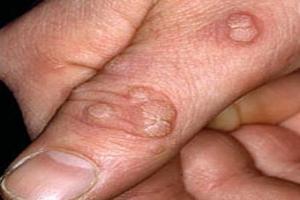
Warts are growths on the skin caused due to infection with human papilloma virus (HPV).Most HPV types cause relatively less harmful conditions like common warts, but some can cause cause serious disease such as cancer of the cervix.## In Ayurveda, warts can be compared with Charmakeela. The pathogenesis of this disease due to vitiation of Vata along with Kapha over the skin causes the development of hard nail structures called Charmakeela.##The incidence of warts is highest in children and young adults.## In Ayurveda, the features are described on the basis of domination of the Doshas.## 1. In Vata dominated Charmakeela- patient feels pricking type of pain,## 2. in Kapha domination it appears like nodule without changing the color of the skin, ## 3. in Pitta dominated Charmakeela due to vitiation of Rakta (blood), it appears blackish in color, dry, oily and hard in nature.## According to modern science, different types of warts have been identified, which are differing in shape and site, as well as the type of human papillomavirus involved. These include:- ## 1.Common wart (verruca vulgaris): A raised wart with roughened surface, most common on hands and knees## 2. 2. Flat wart (verruca plana): A small, smooth flattened wart, tan or flesh colored, which can occur in large numbers; most common on the face, neck, hands, wrists and knees.## 3.Filiform or digitate wart: A thread or finger-like wart, most common on the face, especially near the eyelids and lips.## 4. Plantar wart (verruca, verruca pedis): A hard sometimes painful lump, often with multiple black specks in the center; usually only found on pressure points on the soles of the feet.## 5. Mosaic wart: A group of tightly clustered plantar-type warts, commonly on the hands or soles of the feet.## 6. Genital wart (venereal wart, condyloma acuminatum, verruca acuminata): Wart affecting the genital areas.## The management of warts- ## The management of warts depends on the age of the patient, the site of infection, the size, number and types of warts involved, the patient's immunological status, treatment availability and cost, and the patient's desire for therapy and ability to adhere to the treatment regimen. For children, it is desirous to have an effective and painless treatment that shows rapid results.## According to allopathy, the management consists mainly in destroying the warts by different methods like chemically, electrically or surgically and these can be achieved by cryosurgery, keratolytic ointments, plasters and solutions, curettage, electrodesiccation, and destructive acids.## In Ayurveda, it was described that the attainment of total management by using the internal drugs, external applications and Kshrakarma and Agnikarma.## I.Lekhana karma (scraping procedure)-Stalks of the betel leaf, mixture of lime + copper sulfate in equal quantity.## II.Application of the Kshara Jala (alkali lotion)Paste of the Changeri leaves-rubbing## III.Thermal cauterization (Agnikarma) – After infiltrating the L.A at base, the warts can be excised by red hot Shalaka (pointed metallic rod) or electro cautery.## IV.Ligation of the horse hair or Kshara sutra – Horse hair or Kshara sutra should be tied after applying around the base of wart.## Internal medications like Arogyavardhini, Manjishthadi kwatha, Vatari gugglu (internal medicines are having limited role and may help in preventing recurrence after excision of the warts).                                                                                  

DADRU KUSTHA(TINEA INFECTION)-INTRODUCTION,CAUSES,SYMPTOMS AND MANAGMENT
1490 days ago
Ayurveda

DADRU KUSTHA(TINEA INFECTION)-INTRODUCTION,CAUSES,SYMPTOMS AND MANAGMENT

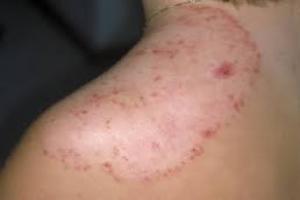
INTRODUCTION-## Dadru is one of the common skin diseases mentioned in Ayurveda. In modern science, the clinical manifestation of dadru is closely similar to local fungal infection/tinea infection which is affecting upto 15% of the population. All the skin diseases in Ayurveda have been classified under the broad heading of “kushtha” which are further categorized in to mahakushtha & kashudrakushtha. Aacharya Charaka mentioned dadru in kashudrakushtha, and Aacharya Shushruta has mentioned dadru kushtha in mahakushtha. According to most of ayurvedic texts, all types of Kushtha have been considered as Rakta Doshaja vikara. Dadru is one of the kapha-pitta pradhana twak vikara.## CAUSES OF DADRU -## It is Raktapradoshaja vyadhi having kapha, pitta dominance. Due to similarity of all symptoms Dadru can be very well correlated with Tinea corporis which is a fungal infection especially caused due to poor hygienic conditions.## 1) Primary causes of Dadru(Fungal Infection of skin): As per ayurvedaAcharyas not explained separate nidana for dadru kushta. But dadru kushta spread person to person by malaja krimi through sweda (contact with infected person, contact with clothes of infected person etc.) Due to the sharing of towels, bed sheets, soap, handkerchief etc of infected person causes the spreading of micro-organism from one person to another person. Dadru which is likely similar to fungal infection of skin in which the fungal spore has been transferred from diseased person to healthy person by above given methods.## As per Modern- ringworm is a contagious fungal infection caused by moldlike parasites that live on the cells in the outer layer of your skin. it can be spread in the following ways:  human to human- ring worm often spread by direct, skin to skin contact with an infected person.  Animal to human- ring worm can spread by rubbing or grooming dogs and cats it is also fairly common in cows.  By touching objects-ring worm can spread by contact with objects or surfaces that an infected person or animal has recently touched or rubbed against, such as clothing, towel, bedding and linens, combs, and brushes.  From soil- if you’re working or standing barefoot in soil that’s infected with the fungus, that causes ringworm, we can get it. ## 2)Secondary causes of Dadru – secondary cause of fungal infection (dadru) has been divided either local or systemic in both ayurvedic and modern science.## SYMPTOMS-## Red scaly rash that is shaped like a ring (annular) Cracking, splitting and peeling in the toe web spaces. Blisters. Yellow or white discoloration of the nails. Bald spots on the scalp.## TREATMENT-## In Ayurveda Shodhan , Shaman chikitsa and local application of lepa. is mainly indicated in Kushtha.##  In dadru kushta virechana and raktmokshan should be given to remove out vitiated pitta and rakta.##   INTERNALLY-Arogyavardhini vati, Gandhak rasayan, Gomutra siddha haritaki Mangistha prwal pisti,kalmegh powder ## EXTERNALLY-  Karanj oil ,triphala kwath(wash) and skin powder## In modern science the most effective therapy is an antifungal drug

Scabies
Introduction, causes, symptoms and treatment
1518 days ago
Ayurveda

Scabies Introduction, causes, symptoms and treatment

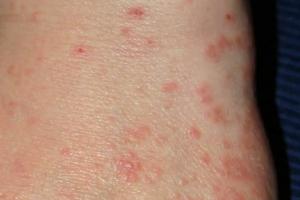
Introduction_in allopathic ## Scabies is an itchy, highly contagious skin disease.## Scabies isn’t a sexually transmitted disease, although it can be transmitted through intimate contact, sharing clothing, or sharing bedding.## Scabies infestation occurs worldwide and is very common.## Causes-## caused by a tiny burrowing mite called Sarcoptes scabiei. Mites are small eight-legged parasites (in contrast to insects, which have six legs). They are tiny, just 1/3 millimeter long, and burrow into the skin to produce intense itching, which tends to be worse at night. The mites that infest humans are female and are 0.3 mm-0.4 mm long; the males are about half this size. Scabies mites can be seen with a magnifying glass or microscope. The scabies mites crawl but are unable to fly or jump. They are immobile at temperatures below 20 C, although they may survive for prolonged periods at these temperatures.## Symptoms-## After the initial exposure to scabies, it can take 2 to 5 weeksTrusted Source for symptoms to appear. The symptoms usually develop more quickly in people who’ve had scabies before, often as soon as 1 to 4 daysTrusted Source after exposure.## symptoms of scabies include ## •Itching, often severe and usually worse at night •Thin, irregular burrow tracks made up of tiny blisters or bumps on your skin## scabies is most often found:## Between the fingers## In the armpits## Around the waist## Along the insides of the wrists## On the inner elbows## On the soles of the feet## Around the breasts## Around the male genital area## On the buttocks## On the knees## In infants and young children, common sites of infestation usually include the:## Scalp, Palms of the hands, Soles of the feet. Treatment- ## Medications and self-care## IN AYURVEDA-According to Ayurveda Scabies can be correlated to Pama.## Pama is caused due to aggravation of Kapha in association with indigestion and Pitta. Types## 1)Dry scabies – It is commonly found in the anal orifice, over the scrotal skin and over the nipples.## 2)Pustular scabies – Starts in the finger webs and later spreads to other skin folds. Pus is also filled in the blisters, gradually.## Treatment- ## The main aim of treatment will be## To purify the blood and bring out the toxins from the blood stream, Locally to pacify the symptoms like itching and blisters ✓Ayurvedic medicines for scabies: ## Gandhaka rasayana – It is used in the treatment of skin diseases, itching, chronic fever, urinary tract disorders etc.## Arogyavardhini vati – It is used in the treatment of liver diseases, fever, skin diseases, etc.## Mahamanjishtadi kashaya – used in the treatment of skin diseases, gout, syphilis, non healing wounds.## Khadirarishta – used for treating wide range of skin disorders## Mahatiktaka kashaya – used for treating infectious skin diseases, abscess, non healing wounds and sinuses.## Rasamanikya – used for treating fever, bronchitis, Asthma and skin diseases Aragwadhadi kashaya ##

ECZEMA-INTRODUCTION,SIGN&SYMPTOMS,TREATMENT AND HOME REMEDIES
1561 days ago
Ayurveda

ECZEMA-INTRODUCTION,SIGN&SYMPTOMS,TREATMENT AND HOME REMEDIES

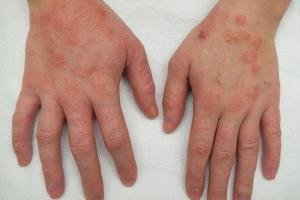
Eczema is termed “the itch that rashes,” since scratching normally precedes the rash.it is also called atopic dermatitis.## As per Ayurveda eczema, it can be broadly associated with vicharchika.An itchy inflammation of the skin.Atopic dermatitis usually develops in early childhood and is more common in people who have a family history of the condition.## According to charak samhita it is a condition where the skin has red rashes,with bumps,associated with profuse discharge,intense itching and often blue discoloration.some other also notify painful,dry and mild to moderate itching lesions.explantions of blackish lesions with severe itching and watery discharge over the skin are also available in classical versions.## Eczema affects males and females equally and is more common in people who have a personal or family history of asthma, environmental allergies and/or food allergies. It typically starts during infancy or early childhood and can persist into adulthood. However, eczema can occur in people of any age.Eczema doesn’t harm your body. It doesn’t mean that your skin is dirty or infected, and it’s not contagious.## Atopic dermatitis is the most severe and chronic (long-lasting) form of eczema. It's characterized by inflamed skin that may crack and release a clear fluid when scratched (an effect known as weeping).## CAUSES-##The cause of eczema is unknown. It is likely caused by both genetic and environmental factors. it’s triggered by an overactive immune system.Eczema (atopic dermatitis) is caused by a combination of immune system activation, genetics, environmental triggers and stress. Your immune system. If you have eczema, your immune system overreacts to small irritants or allergens. This overreaction can inflame your skin.## Eczema triggers- An eczema flare-up happens when one or more eczema symptoms appear on the skin. According to the National Health Service (NHS), research has shown that external and internal factors can contribute to flares of eczema. Common triggers include:## chemicals or preservatives found in cleansers and detergents scented products cigarette smoke external allergens such as pollens, mold, dust, or dust mites rough scratchy material, like wool synthetic fabrics sweating temperature changes stress food allergies animal dander upper respiratory infections## SIGN&SYMPTOMS-## The first signs of eczema are itchiness and redness.## The main symptom of eczema is itchy, dry, rough, flaky, inflamed, and irritated skin.## Eczema can show up anywhere on your skin. In teens and adults, it’s typically found on your hands, neck, inner elbows, ankles, knees, feet and around your eyes.## It can flare up, subside, and then flare up again.## Other symptoms include:-## intense itching## red or brownish-gray patches## small, raised bumps that ooze fluid when scratched## crusty patches of dried yellowish ooze, which can signal infection## thickened, scaly skin## sore or raw-feeling skin## Many people find their symptoms get worse at night, making it difficult to sleep. Scratching eczema further irritates and inflames the skin. This can cause infections that must be treated with antibiotics.## Sometimes, mild eczema can be managed at home by avoiding triggers and keeping skin moisturized. However, it’s best to see a doctor when symptoms are hard to manage or are getting worse. It’s a good idea to make a medical appointment if your:## eczema isn’t responding to over-the-counter treatments## symptoms are keeping you awake at night## symptoms are making it hard to complete everyday tasks## skin is blistering or weeping fluids## skin is peeling## skin is getting thick or scaly## TEST-## There’s no specific test that can be used to diagnose eczema. Often, a doctor can diagnose the condition by talking with you about your symptoms and examining your skin. Sometimes, a patch test might be done to help find eczema triggers.## A patch test can pinpoint certain allergens that trigger symptoms, like skin allergies associated with contact dermatitis## Pathya (Do’s):-## Lifestyle changes, including daily exercise, a balanced diet. Losing weight to help keep hormones in check Meditation on Yoga Pranayama, breathing exercises Maintaining cleanliness Old rice, barley, green gram, bitter vegetables, and meat from wild animals are good.## Apathya (Don’ts):-## Smoking junk, sticky, packed, stored food or coffee beverages. Sour, salty, heat-producing things such as pepper etc-curd, milk, jaggery, meat of marshy animals, sesame seeds, black gram are contraindicated. Sexual intimacy and alcoholic liquor should be prohibited. Sedentary lifestyles Excess sleep for the day, eating straight after dinner.## TREATMENT-## In ayurveda eczema is mainly treated with Panchakarma therapy.## Treatments may include medicines, skin creams, light therapy, and good skin care. ## There are treatments that can help manage your symptoms.## Oral over-the-counter (OTC) antihistamines can relieve itching. They work by blocking allergic reactions triggered by histamine.## Cortisone (steroid) creams and ointments can relieve itching and scaling.## Home remedies -## Home remedies and natural treatments can soothe the dry, itching skin that accompanies eczema. People can use creams, natural products, and dietary and lifestyle changes to manage or prevent eczema flares, especially in the winter, when symptoms tend to be at their worst.## Natural substances, such as aloevera gel and coconut oil, can moisturize dry, broken skin. They can also combat inflammation and harmful bacteria to reduce swelling and prevent infection.## Aloe vera gel-The antibacterial and antimicrobial effects can prevent skin infections, which are more likely to occur when a person has dry, cracked skin. Aloe’s wound-healing properties may soothe broken skin and promote healing.## Natural remedies cannot cure eczema, but they can help manage the symptoms and prevent flares. This article explores the best natural remedies for eczema.

ACNE-INTRODUCTION, CAUSES, SYMPTOMS AND AYURVEDIC TREATMENT AND HOME REMEDIES
1572 days ago
Ayurveda

ACNE-INTRODUCTION, CAUSES, SYMPTOMS AND AYURVEDIC TREATMENT AND HOME REMEDIES

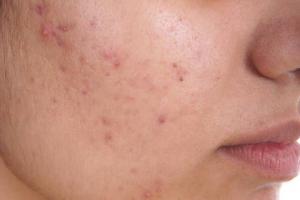
Ayurvedic medicine (“Ayurveda” for short) is one of the world's oldest holistic (“whole-body”) healing systems. It was developed more than 3,000 years ago in India. ## The age-old methodologies of Ayurveda go beyond conventional approaches to find an answer to acne and treat it from its roots rather than just topical treatment. ## Acne is one of the most common skin diseases that is first indicated by the presence of pimples on the skin. To improve this condition, it is vital to first understand what acne is. ## Causes- The primary cause is impairment of Agni which leads to the Imbalance of all the three doshas, predominantly the Pitta dosha, which further vitiates the rakta and meda dhatus (blood and fat tissues). Vitiated doshas produce toxins that block the Srotas (Microscopic channels) of the affected areas leading to pimple formation. The condition of acne can also be aggravated by excessive intake of oily, spicy, salty and sour foods, Constipation and Irritable Bowel Syndrome. Even if the Scalp has more Oil and that can lead to Acne and Pimples.  ## The sebaceous gland in the skin is responsible for the oily substance - sebum - which lubricates the skin. Acne is a condition that affects these oil glands and skin follicles. These glands are concentrated towards the face, upper neck, and chest areas which are most affected by acne. ## Four main factors cause acne: ## Excess oil (sebum) production ## Hair follicles clogged by oil and dead skin cells ## Bacteria ## Inflammation ## Certain things may trigger or worsen acne: ## Hormonal changes ## Certain medications ## Diet ## Stress ## Cosmetics ## Symptoms ## Acne signs vary depending on the severity of your condition: ## Whiteheads (closed plugged pores) ## Blackheads (open plugged pores) ## Small red, tender bumps (papules) ## Pimples (pustules), which are papules with pus at their tips ## Large, solid, painful lumps under the skin (nodules) ## Painful, pus-filled lumps under the skin (cystic lesions) ## TREATMENT- ## Like with other diseases, Ayurveda takes a holistic approach to treating Acne. It does not just treat the superficial symptoms but goes to the root and treats it there. ## Following Ayurvedic Formulations & Panchkarma Therapies Which are Very Beneficial for Skin Health like- ## 1.Mahamanjistha Kwath ## 2.Khadiraristha ## 3.Maha Sudarshanachurna ## 4.ChandraprabhaVati ## 5.ArogyavardhiniVati ## 6.Kaishore Guggul ## 7.Neem Juice ## 8.Aloevera & Karela juice & many others ## Panchkarma treatment is a very renowned tool to cure many big problems. ## For skin-related issues, Panchkarma has many therapies for skin protection and treatment like: ## 1.Virechan (very effective for skin) ## 2.Vaman ## 3.Swedan ## 4.Basti ## 5.Udvartan( scrub) ## 6.Herbal face pack and ## 7.Potli massage ## Home remedies – ## 1) Apply turmeric powder on skin diseases having secretions. ## 2) Apply turmeric paste in water / milk on skin disease having redness, itching. ## 3) Apply paste of neem leaves on affected part specially having infections & itching. ## 4) Apply sandlewood paste on the skin having red coloured rash / burning sensation ## 5) Apply fine cumin seed powder on the skin having itching & excessive sweating. ## Stay tuned.