D

Dr. Rachana Jangir

13 Articles

Resident Doctor. Loves to discuss and write about health, Ayurveda, Painting. Always ready to learn new things.

Articles Written By Dr. Rachana Jangir

Tips and Home Remedies for Urticaria
1405 days ago
Health

Tips and Home Remedies for Urticaria

Tips to Avoid Urticaria Have freshly prepared, easily digestible foods## Avoid incompatible foods, sour foods, and heavy foods that are difficult to digest.##  limit salt intake, and avoid sour food like yogurt, curd, and instead have bitter tasting food like bitter gourd.## However, onion and garlic are considered to be good in this condition.## Avoid all sweets including sugar, jaggery, and alcohol.## Eat cooked split gram (split legumes), bitter gourd vegetable, and pomegranate.## Use honey## Fast for one day or have very light foods like boiled rice, vegetable soup, etc.## Stress accounts for worsening this health condition. You should practice techniques which relax your mind and soul, such as meditation, yoga, and deep breathing. These are effective in stress relief.## In case the above symptoms are go with by breathing difficulties, vomiting, variation in heartbeat or blood pressure, the patient should be rushed to emergency care in a hospital.## Home Remedies 1.Paste of Neem leaves / Guduchi leaves or aloe vera pulp can consumed in daily to reduce urticaria.## 2.Apply Aloe Vera gel when rashes appear.## 3.Neem paste also can be applied externally.## 4.Take 1 teaspoon of turmeric powder with a glass of milk or water two to three times a day. It is an excellent treatment to increase the body’s immunity. 5.Massage the skin with mustard oil for 15 minutes, followed it with a bath with lukewarm water. 6.Mix black pepper powder ½ to one teaspoon and desi ghee ½ teaspoon and consume it in empty stomach every morning. Continue for up to three months for better result

Urticaria (Sheetapitta)-causes, symptoms and treatment
1405 days ago
Health

Urticaria (Sheetapitta)-causes, symptoms and treatment

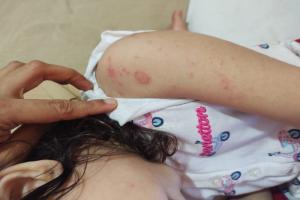
Urticaria(also called hives) are a red, raised, itchy skin rashes that may be triggered due to an allergic reaction. Due to the allergic reaction, the body releases a protein called histamine. When histamine is released, the tiny blood vessels known as capillaries in the body release fluid. The fluid accumulates in the skin and causes a rash. In Ayurveda, this is called as Sheetapitta. According to Ayurveda, aggravation of Kapha  and Vata  occurs when people come in contact with cold air. It also causes the aggravation of pitta dosha  which spread into the rakta dhatu (blood tissues). Rakta dhatu is vitiated due to excess of pitta. Then aggravated doshas relocate in the skin, which causes the Sheetapitta.## Causes of Urticaria (Sheetapitta) Excess intake of salty and pungent food## Exposure to cold wind## Day sleep Eating large amounts of sour gruels## Extreme intake of musturd Contact of cold substances## Improper emesis Altered features in rainy and winter season## Insect bite Contact of poisonous insects## Symptoms of Urticaria (Sheetapitta) rashes occur on face, arms, trunk and legs.## Headache, Red rashes, Itching, Congestion of eyes is also a symptom of Urticaria.## There is a condition called as angioedema which occurs in urticaria. Angioedema results in the burning or pain around the areas like eyes, cheeks, lips, hands, genitals and feet may occur in the cases of urticaria.## Treatment for Urticaria(Sheetapitta) in ayurveda- Treatment Modalities are planned as per acute or chronic stage and etiology.## Elimination of dosha & Purification of the body toxins with Panchkarma procedures & Ayurvedic medicines is essential to cure urticaria.## Abhyanga (massage), svedana (fomentation), vaman (induced vomiting) and virechen (induced lose motion) are very effective in treating Urticaria.## Medications like Haridrakhandam, Arogyavardhini, patolakaturohinyadi kashayam, and many more medications are used in sheetapitta.## Ayurvedic herbs like Haridra (Curcuma longa), Neem (Azadirachta indica), Shirish (Albezzia lebbock), Ashwagandha (Withania somnifera), Shirish (Albezzia lebbock), Vasa are herbs which works better on skin diseases ##

Ayurvedic tips for healthy and glowing skin
1405 days ago
Health

Ayurvedic tips for healthy and glowing skin

Nature always gives you a healping hand with beautiful products.that would bring it glow and highlighting the skin face very well.  it is all about inner wellness which will then reflect a healthy glow on your skin. It is believed if our internal body maintains an equilibrium with nature then the harmony will be visible on skin.so Understand your body type.## Nourish your skin with daily oil massage.## Practice yoga for a naturally glowing skin.## Don't forget to stay hydrated because water plays a big part in the appearance of your skin.## Healthy food for healthy skin.## Some tips for healthy and glowing skin-## lifestyle-  It is beneficial to maintain a simple daily routine, drink sufficient water, eat healthily, daily exercise, healthy diet, and catch undisturbed sleep. Detoxifying your body often helps to get rid of toxins and give you a healthy glowing skin.## To have healthy, glowing skin, you need to consume a wide variety of nutritious foods and reduce intake of unhealthy foods such as processed, oily and deep-fried foods. Give skin a boost by including the following foods into diet## Fatty fish- Fatty fish are great sources of omega-3 fatty acids that help your skin to look supple and radiant. They can also reduce inflammation, redness, pimples.Packed with vitamin E, antioxidant-rich fatty fish protects skin from irritation and radical activity that could make skin age faster.## Avocados-it can help your skin stay moisturised and firm.They also contain vitamin C and E – 2 important nutrients that body need to support healthy skin and fight free radical formation. Avocados are also rich in biotin, B vitamin that some nutritionists believe can help promote healthy skin and hair## Walnuts-Walnuts contain vitamin E, vitamin C, zinc and selenium, all of which promote healthy skin.Walnuts contain a higher amount of omega-3 and omega-6 fatty acids than other nuts, making them an extra healthy choice if you’re looking for skin benefits. However, it is important to keep nut intake to one handful (1/4 cup) a day. Eating anything in excess can lead to weight gain. Moreover, eating too many walnuts may cause certain adverse effects, including bloating, stomach pain and skin allergies in some individuals.## Sunflower seeds-sunflower seeds are a particularly good choice as they contain plenty of vitamin E and zinc. Sunflower seed oil is rich in linoleic acid and essential fatty acids that body needs to support healthy skin.## Carrots-rich in vitamin A and. Vitamin A also adds a healthy, warm glow to your skin.## Soybeans-Soybeans contain isoflavones that block estrogen in your body to help reduce the appearance of wrinkles and improve the elasticity of your skin.## Dark chocolate- Dark chocolate is beneficial for your skin because cocoa powder boasts a bunch of antioxidants. These antioxidants hydrate and smoothen skin, making your skin less sensitive to sunburn and improves the blood flow of skin.## Green tea-Green tea has been said to protect the skin against external stressors and ageing. This is because it is antioxidant-rich and contains catechins that protect skin, reduce redness, increase hydration, and improve elasticity.

Management of diabetes(Prameha)
1412 days ago
Health

Management of diabetes(Prameha)

Ayurveda has a unique approach to diabetes treatment, which includes diet , medicines and medications, exercise and panchakarma. ## diabetes is primarily Kapha doshaja. Ayurveda can with diabetes in four ways- ## 1) Detoxification- Various therapies help aid the detox procedure that rejuvenates the body.## 2) Diet## 3) Herbal Remedies## 4) Lifestyle Modifications## Line of treatment- Patients suffering form prmeha(diabetes) can be classified into 2 categories-## 1) Sthula pramehi-obese and strong patient-they are given shodahna(cleansing,purification) treatment.## 2) Krusha pramehi-emaciated and weak person-they are given brumhana (nourishing) treatment.## Process- 1. Shodahna chikitsha-## 1) oleation treatment 2)vaman,virechana After dosha is eliminated, the patient is given nourshing therapy.## 2. Shaman chikitsha-##if the patient of diabetes who needs shodahna or elimination therapy is not eligible fir it,then he given shaman chikitsha.## Ayurveda medicies for diabetes-## • Kwatha(decoction)-triphala,vishala(citrullus colocynthis),musta(cyperus rotundus)-mixed with paste of honey and turmeric.## • Madhavasava## • Dantyasava## • bhallatakasava
AYURVEDIC TIPS FOR TYPE 2 DIABETES
1417 days ago
Health

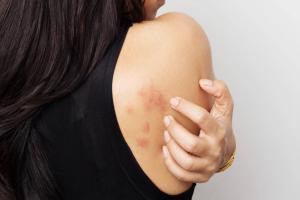
AYURVEDIC TIPS FOR TYPE 2 DIABETES

Ayurveda treatment focuses on an entire change in the lifestyle of the person.type 2 diabtes are usually strong and overweight and their treatment begins with bio-cleansing procedures , which are aimed at fat-reduction to ensure there is no further complication cause This is followed by treatment with a combination of herbal medicines (aushadhi), diet change, and lifestyle changes.##

Diabetes- causes,symptoms and managment
1417 days ago
Health

Diabetes- causes,symptoms and managment

Diabetes mellitus is a clinical syndrome characterized by an increase in plasma blood glucose(hyperglycaemia)## In ayurveda- Diabetes is named madhumeha/prameha in Ayurveda. Diabetes in Ayurveda is literally translated as “sweet urine” because “Madhu” means sweet and “Meha” means urine.## It is a chronic metabolic condition in which the body is unable to adequately utilize glucose, resulting in hyperglycemia and sugar in the urine.## Types-type-1,type-2## Type-1 autoimmune destruction of insulin producing cells(beta cells) in the pancreas,leading to marked insulin deficiency. It was once better known as juvenile diabetes. Type 1 diabetes need to take insulin every day. This is why it is also called insulin-dependent diabetes.## Type-2 -reduced sensitivity to the action of insulin and an inability to produce sufficient insulin to overcome this insuin resistance.## This is the most common type of diabetes.## Insulin is a hormone made by your pancreas. pancreas releases insulin into bloodstream. Insulin acts as the “key” that unlocks the cell wall “door,” which allows glucose to enter your body’s cells. Glucose provides the “fuel” or energy tissues and organs need to properly function.## According to Ayurveda, primary causes of diabetes-## • Being physically inactive## • Eating too much sweet food## • Eating too many foods that cause an increase in Kapha## • Excessive use of curds## • Excessive sleep, including sleeping during the daytime## Symptoms of diabetes include- • Increased thirst.## • Weak, tired feeling. • Blurred vision.## • Numbness or tingling in the hands or feet. • Slow-healing sores or cuts.## • Unplanned weight loss. • Frequent urination.## • Frequent unexplained infections. • Dry mouth.## Other symptoms • In women- Dry and itchy skin, and frequent yeast infections or urinary tract infections.## • In men- Decreased sex drive, erectile dysfunction, decreased muscle strength.## Type 1 diabetes symptoms Symptoms can develop quickly – over a few weeks or months. Symptoms begin when young – as a child, teen or young adult. Additional symptoms include nausea, vomiting or stomach pains and yeast infections or urinary tract infections.## Type 2 diabetes and prediabetes symptoms- You may not have any symptoms at all or may not notice them since they develop slowly over several years. Symptoms usually begin to develop when you’re an adult, but prediabetes and Type 2 diabetes is on the rise in all age groups.## Gestational diabetes- You typically will not notice symptoms. Your obstetrician will test you for gestational diabetes between 24 and 28 weeks of your pregnancy.## complications of diabetes-## If blood glucose level remains high over a long period of time, the body’s tissues and organs can be seriously damaged. Some complications can be life-threatening over time. Complications include-## • Cardiovascular issues including coronary artery disease, chest pain, heart attack, stroke, high blood pressure, high cholesterol, atherosclerosis .## • neuropathy- that causes numbing and tingling that starts at toes or fingers and then spread## • Nephropathy- that can lead to kidney failure or the need for dialysis or transplant##. • retinopathy- that can lead to blindness, cataracts, glaucoma.## • Foot damage including nerve damage, poor blood flow and poor healing of cuts and sores. • Skin infections.## • Erectile dysfunction,Depression,Dementia,Dental problems.## Complications of gestational diabetes- In the mother- Preeclampsia (high blood pressure, excess protein in urine, leg/feet swelling), risk of gestational diabetes during future pregnancies and risk of diabetes later in life.## In the newborn- Higher-than-normal birth weight, low blood sugar, higher risk of developing Type 2 diabetes over time and death shortly after birth.## Diagnosis and test of diabetes- There are three tests that can measure blood glucose level## 1) fasting glucose test- This test is best done in the morning after an eight hour fast (nothing to eat or drink except sips of water).## Normal-less than 100mg/dl, Prediabetes-100-125mg/dl, Diabetes-126 or higher.## 2) Random plasma glucose test- This test can be done any time without the need to fast.## Normal-less than 140 gm/dl, Prediabetes-140-199gm/dl, Diabetes-200 or higher## 3) HbA1c test- This test, also called HbA1C or glycated hemoglobin test, provides average blood glucose level over the past two to three months. This test measures the amount of glucose attached to hemoglobin, the protein in your red blood cells that carries oxygen. You don’t need to fast before this test.## normal-less than 5.7%, Prediabetic-5.7-6.4%, Diabetic-higher then 6.5%## 4) Oral glucose tolerance test- In this test, blood glucose level is first measured after an overnight fast. Then drink a sugary drink. Then blood glucose level is checked at hours one, two and three.## Normal-less than 140gm/dl, Prediabetic-140-199gm/dl, diabetic-200gm/dl 0r higher## risk factors- • Testing for Type 1 diabetes: Test in children and young adults who have a family history of diabetes. Less commonly, older adults may also develop Type 1 diabetes. Therefore, testing in adults who come to the hospital and are found to be in diabetes-related ketoacidosis is important. Ketoacidosis a dangerous complication that can occur in people with Type 1 diabetes.## • Testing for type 2 diabetes: Test adults age 45 or older, those between 19 and 44 who are overweight and have one or more risk factors, women who have had gestational diabetes, children between 10 and 18 who are overweight and have at least two risk factors for type 2 diabetes.## • Gestational diabetes: Test all pregnant women who have had a diagnosis of diabetes. Test all pregnant women between weeks 24 and 28 of their pregnancy. If you have other risk factors for gestational diabetes, your obstetrician may test you earlier.## MANAGEMENT AND TREATMENT Ayurveda has a unique approach to diabetes treatment, which includes diet , medicines and medications, exercise and panchakarma. And it works stick to them without stopping. diabetes is primarily Kapha doshaja. Ayurveda can with diabetes in four ways- ## 1) Detoxification- Various therapies help aid the detox procedure that rejuvenates the body.## 2) Diet## 3) Herbal Remedies## 4) Lifestyle Modifications##
Treatment and Home remedies for kidney stone
1427 days ago
Health

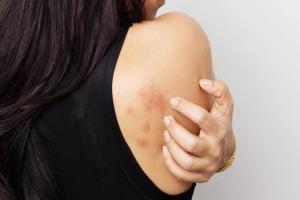
Treatment and Home remedies for kidney stone

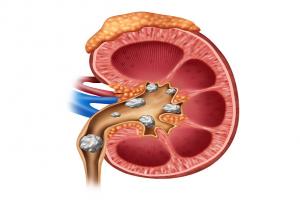
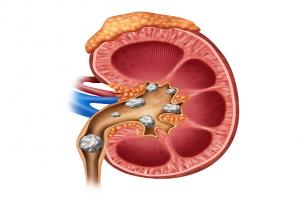
Ayurveda describes renal stones as Ashmari. Ashmari (calculi) comprises of two words, i.e. ‘Ashma’ and ‘Ari.’ ‘Ashma’ means a stone and ‘Ari’ means enemy. Ashmari (calculi), specifically called as Moothrashmari (urolithiasis), is a disease of urinary tract and involves formation of a stone or stones, resulting in severe pain as given by an enemy## In ayurvedic texts mainly three types of drugs Mutravirechaniya (diuretic) Ashmarighna Dravya (lithotriptic)and Kshara Karma (alkali therapy) are mentioned for the treatment of Renal stones.Also, after surgery, or if you have repeated kidney stones, ayurvedic herbs and remedies can avoid the chances of recurrence.## In modern science The Treatment of Kidney stone are painkillers, antispasmodic, antivomitic drug and hydration. ## Ayurvedic treatment of renal stones includes a range of therapies that include plant-based medicine, diet and lifestyle changes.## Line of treatment- 1)स्नेहन(mild oleation)## 2)अश्मरी भेदन द्रव्य(medicine which are penetrative and break the stone)## 3)मूत्रल द्रव्य(Diuretics - kidney stone size small then with proper hydration stone come out with urine easily.)## 4)शीतल उपचार(coolants) and वातहर उपचार(remedies to balance vata) are help to relieve stone.## 5)According to dosha imbalance, kidney stone is treated easily and successfuly.## Single Ayurvedic herbs for Renal stones## Punarnava (Boerhaavia Diffusa) Varuna (Crataeva nurvala) Shigru (Moringa Oleifera)## Pashanabheda (Bergenia ligulata) Kushmanda seeds (Benincasa hispida Cong.)## Kantkari (Solanum xanthocarpum) Bakul (Mimusops Elengi)## Jasmine (Jasminum auriculatum) Coriander (Coriandrum Sativum L.)## Ayurvedic herbal preparations-## Chandraprava vati Gokshuradi guggulu## Arogya vardhani vati Pashanveda churna## Gokshuradi churna Shigru churna## Varunadi kwath Kulathadha ghrita Varunadha ghrita## Home remedies for kidney stone-## Drink plenty of water and fluids to help flush out the kidney stones.## Take 4 teaspoon horse gram,add half litre of water,heat this mixture till it reduces to one fifth,collect soup,add 2 teaspoon crused pomegranate seeds,mix & take once a day.## Take lwatermelon early morning## Lemon juice## Mix 1 teaspoon Basil juice with 1 teaspoonhoney,take it in early mormimg (tulsi is one of the best herbs in Ayurvedic medicine for kidney stones.)## Coconut water is effective in flushing toxins from the body and small stones. Moreover, it eases the burning sensation that occurs during urination, due to stone formation.## Vegetables that are good for kidney stones include white gourd, pointed gourd, potato, carrot, bitter gourd, cucumber, pumpkin, etc.## Cereals such as moong dal, horse gram, barley, etc. and fruits like apple, banana, apricots, etc.## Some Advice-## Hydration:  Drink up to 3 liters of fluid per day (14 cups)## Water Lemonade (citrate decrease stone formation)## Avoid high salt intake## Maintain amounts of oxalate Low protein(Spinach, many berries, chocolate,bean, nuts, beets, tea and rhubarb should be eliminated from your diet intake)## Exercise/Increase Activity## Limit foods with high oxalate content

Joint pain-causes,symptoms & managment
1428 days ago
Health

Joint pain-causes,symptoms & managment

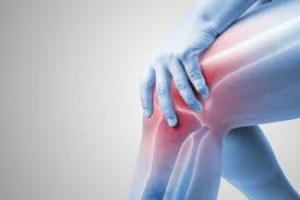
Joint Pain- Joints form the connections between bones. They provide support and help you move. Any damage to the joints from disease or injury can interfere with your movement and cause a lot of pain.## Causes-Joint pain is extremely common, especially as you age.  joint pain can affect any part of your body, from your ankles and feet to your shoulders and hands.## A wide range of conditions can lead to painful joints-Osteoarthritis, a “wear and tear” disease, is the most common type of arthritis.## Rheumatoid arthritis is an autoimmune disorder that happens when your body attacks its own tissues.## Bursitis is when sacs of fluid that help cushion your joints get inflamed.## Gout is a form of arthritis that most often affects your big toe joint.## Strains, sprains, and other injuries.## Often, the pain can come with swelling and inflammation, stiffness, and loss of range of motion.## Treatments for Joint Pain-## It may go away after a few weeks (acute), or last for several weeks or months (chronic). Even short-term pain and swelling in the joints can affect your quality of life. Whatever the cause of joint pain, you can usually manage it with medication, physical therapy, or alternative treatments.##  first try to diagnose and treat the condition that is causing your joint pain.##  The goal is to reduce pain and inflammation and preserve joint function. Treatment options include-## Medications- For moderate-to-severe joint pain with swelling, an over-the-counter or prescription nonsteroidal anti-inflammatory drug (NSAID) such as aspirin, celecoxib, ibuprofen, or naproxen can provide relief. NSAIDs can have side effects, potentially increasing your risk for gastrointestinal bleeding.##  mild pain without any swelling- acetaminophen can be effective.## Be careful when taking this medicine though, especially if you drink alcohol, because high doses may cause liver damage. Because of the risks, you should take any of these pain medications with caution.## pain is so severe -NSAIDs aren't effective enough.## prescribe a stronger opioid medication. Because opioid drugs can cause drowsiness, you should only use them under a doctor's care. They also can cause constipation, which you can relieve by taking laxatives.## Other drugs that may help relieve pain include- Muscle relaxants to treat muscle spasms (may be used together with NSAIDs to increase the effect)## Topical Agents - 1) Capsaicin may relieve joint pain from arthritis and other conditions. Capsaicin blocks substance P, which helps transmit pain signals, and it triggers the release of chemicals in the body called endorphins, which block pain. Side effects of capsaicin cream include burning or stinging in the area where it is applied.## Injections-## Steroids, Platelet-rich plasma therapy, Prolotherapy Other injection options-## Removing fluid from the joint ## Injections of hyaluronan, a synthetic version of the natural joint fluid. This is used to treat osteoarthritis.

What is Renal stone(Ashmari)| Details Below
1434 days ago
Health

What is Renal stone(Ashmari)| Details Below

In Ayurveda, the diseases asmari was described under asta maha gada by Susrutha. This shows how difficult this disease to treat medically or surgically.## As per the clinical features, it is compared to urolithiasis. It is the formation of stony concretions in the bladder and urinary system. It is the common diseases of Mutravaha strotas (urinary tract) that occur due to disequilibrium between stone inhibiting and promoting factors in the urinary system.## Urolithiasis is an effect of complex physic-chemical process, which involves sequence of events in the formation of any urinary stone, including urinary saturation, super saturation, nucleation and the growth of crystals, aggregation and retention of crystal, and finally formation of stone.## Hetu (etiology or causative factors)-## Apthaya ahara(odd food/unwholesome food) Low water consumption Urinary tract infection Mutravirodha,shodhana dosha Chemical drugs Idiopathiy## Improper food habit(apthaya seven)-over eating,untimely eating,indigestion, sedentary lifestyle,less intake of water, some medical conditions, and certain supplements and medications are among the many causes of kidney stones. ## Other supporting factor-dry food,salty food,loss of sleep,excess walking,heavy excercise,spicy food etc## Symptoms-## Sudden pain in the right and left lower abdomen which radiates from back to front## Pain during urination## Bleeding uring urination (rakta mutrata)## Burning sensation during urination## Pain in urethra and bladder## Reduced urine output## Vomiting sensation## Lethargy## Fever seen in few cases## Types of Ashmari based upon tridosha dominance-## 1)Vataja ashmari## 2)Pittaja ashmari## 3)Kaphaja ashmari## 4)Sukraja ashmari(spermolith)## Diagnosis-## Physical examination, Ultrasound, X-ray of abdomen, Urine examination and blood examination

IMPETIGO
ACCORDING TO ALLOPATHY AND AYURVEDA(INTRODUCTION,CAUSES,SIGN & SYMPTOMS AND TREATMENT)
1526 days ago
Health

IMPETIGO ACCORDING TO ALLOPATHY AND AYURVEDA(INTRODUCTION,CAUSES,SIGN & SYMPTOMS AND TREATMENT)

ACCORDING TO ALLOPATHY-(INTRODUCTION,CAUSES, SIGN & SYMPTOMS AND TREATMENT)## INTRODUCTION-## According to modern, A highly contagious skin infection that causes red sores mainly on the face,due to which skin problem starts like infection or wound. This infection can also spread to any part of the body. Yellow or dark fluid may comes out from these wounds.## It's a skin infection caused by a bacteria, and it spreads easily. It's most common in babies and young children, but adults can get it too.## CAUSES-## According to modern, most impetigo is caused by Staphylococcus aureus bacteria. The infection isn’t usually serious, but sometimes complications may develop.## SIGN AND SYMPTOMS-## The following are common symptoms and signs of impetigo## Rash on the skin Itching due to rash or wound. Feeling pain sometimes. Inflammation in areas with infection. In addition to these symptoms, there may be other symptoms.## TREATMENT- Conservative tratment## ACCORDING TO AYURVEDA- (INTRODUCTION,CAUSES,SIGN & SYMPTOMS AND TREATMENT)## According to ayurveda, it is a type of raktaja sukshma krimi related disease. It is non bullous type of impetigo comes under oupasargika roga.there is kapha-pitta samsarga in most of the lesions raga and paka are the main features of pitta dosha.## This infection is most prevalent in hot humid season of the year and more commonly affect infants## SIGN & SYMPTOMS-## Impetigo presented with clinical symptoms like appearance of bullae over the skin which may gets ruptured after 4 to 5 days with discharge of slightly turbid fluid and leaves backs an erythematous superficial ulcer. Subsequently there was appearance of multiple bullae in other parts of the body with same progression. Based on the clinical presentation of the disease and Dosha the disease is diagnosed as Charmadala Kusta with involvement of Twaka and Masa Dhatu, Raktavaha Srotus and treated as per Ayurvedic guidelines.## TREATMENT-## Kapha-Pittahara chikitsa is mainly given.sometimes there will be a aashukari state of the disease due to pitta-rakta releted bala samprapti.here krimighna chikitsa should be administered.bahiparimajana chikitsa is important as the disease belongs to oupasargika roga. -Patient will be treated with internal medication like Triphla Guggulu, Gandhaka Rasayan, Patola KatukaRohiniaadi Kshaya in required doses for 15 days along with Sphtika bhasma, Tankana bhasma, Godanti bhasma, Prawal bhasma Giloy satv, Shukta Pishti, Kamdudha Ras, tal sindor,akik pisti and for local applications Twak Tailam, Panchatikta Ghrita Guggulu etc. can also be used in calculated doses. Patients is advised to bath with Nimbha Patra Kashaya. It is also adviced in breast feeding mother to take certain Sthanya Shodaka Drugs like Patha to nullify remote chances of feeding the vitiated breast milk.

ROUTINE SKIN CARE GUIDE IN AYURVEDA
1593 days ago
Health

ROUTINE SKIN CARE GUIDE IN AYURVEDA

Healthy lifestyle is a good habit to care healthy skin.##  Ayurvedic skin care routine focuses on balancing the whole body and supporting the digestive system with a healthy diet while treating each individual according to her specific dosha.## Ayurvedic skin care treatments are based on skin type.## According to Ayurveda, a person’s skin type is based on the three doshas. These are bioenergetic or life forces that make up the constitution of the body and mind. They are:## vata (wind) pitta (fire) kapha (water and earth)## VATA## A vata dominant person has dry and rough skin that tends to wrinkle if not moisturized regularly. Vata type skin has fewer fat deposits and needs more moisturizing, both externally and internally, recommends using oil-based moisturizers on the skin and consuming warm spices like ginger. According to AYURVEDA ashwagandha, an ancient Indian herb, may reduce skin dryness when added to a face mask.## PITTA## People with high pitta tend to have oily skin that’s prone to acne and rosacea. This type of skin needs more cooling elements like aloe vera, turmeric (which is anti-inflammatory), and sandalwood (which reduces pimples and redness)## KAPHA## Kapha skin tends to be cold and oily, and it may be prone to pimples, whiteheads, and water retention. recommends dry brushing to remove obstructions, stimulate the lymphatic system, and exfoliate. suggested avoiding oil-based creams and applying face masks regularly.## These can be used for a general skin care routine-## sesame oil is recommended for all doshas, and almond oil is recommended for vata and pitta skin types. Simply massage the oil into the skin in a circular motion.## Manjistha (rubia cordifolia) oil or kumkumadi oil are commonly used in Ayurveda with facial massages. According to some research, manjistha oil may help treat acne because it is:## anti-inflammatory antibacterial anti-androgenic## Vata face mask## Ingredients## 1 tbsp. gram flour a pinch of turmeric powder 1 tsp manjistha powder 1/4 cup rose water, yogurt, or cold milk## Directions## 1.Mix together the ingredients to make a paste.## 2.Apply to the face and leave on for 10–15 minutes, or just before it dries.## 3.Wash off with lukewarm water.## 4.Apply an oil-based moisturizer## Pitta face mask Ingredients## 1 tbsp red sandalwood 1 tsp Lodhra(Symplocos racemosa)  rose water Kapha face mask## Ingredients## 1 tsp. Honey 1 tbsp. Cornmeal(makka atta) a pinch of turmeric powder Directions## 1.Mix honey,cornmeal and turmeric powder. 2.Apply to skin and leave on for 10 minutes. 3.Wash off with lukewarm water.## Kapha face mask## Ingredients## multani mitti water## Directions## 1.Mix multani mitti with water. 2.Apply to skin and leave on for 10–15 minutes. 3.Wash off with lukewarm water.

TYPES OF SKIN
1597 days ago
Health

TYPES OF SKIN

Clearly,not all skin is created equal.but besides ethnicity and age ,skin is characterized by its skin type.## Your skin type is usually determined by genetics, but there are daily habits and environmental factors that can worsen a skin condition. Each skin type has a specific set of characteristics and symptoms, and requires special attention. Keep reading to find out about your personal skin type and how to best care for it.## The five basic skin type are-## Normal, Oily, Dry, Combination, sesitive## 1)Normal skin-it is well balanced,not too dry or oily,not too sensitive.very few imperfaction,small pores,an even skin tone,soft texture.## 2)Oily skin-over secration of sebum so excess oil on the face ,less visible wrinkles,visible and enlarged pores a persistently shiny , greasy appearance.## 3)Dry skin-It is common for dry skin to be an issue for women entering menopause.slow secraction of sebum,skin feels irritable and tight,fine lines,visible small pores,often looks flaky.## 4)combination skin-Typically, there's a mix of oily and dry areas on different parts of face, with the t-zone (forehead, nose, and chin) being slightly to very oily.shiny skin,pores that look larger than normal because they are more open.## 5)Sensitive skin-it can shows as-redness,itching,burning,dryness,eczema,sunburns.## FACTORS THAT AFFECT THE SKIN-## Stress, Environment(dust,pollutants), heridity, Diet, Hormone, Sun exposure, Skin product, Age, Lack of sleep etc.

Prev Next